The fleet comes to Costiera Amalfitana · Italia
The Queen ofPositano
The postcard Italy keeps in its breast pocket.
The fleet comes to Costiera Amalfitana · Italia
The postcard Italy keeps in its breast pocket.
Her Realm
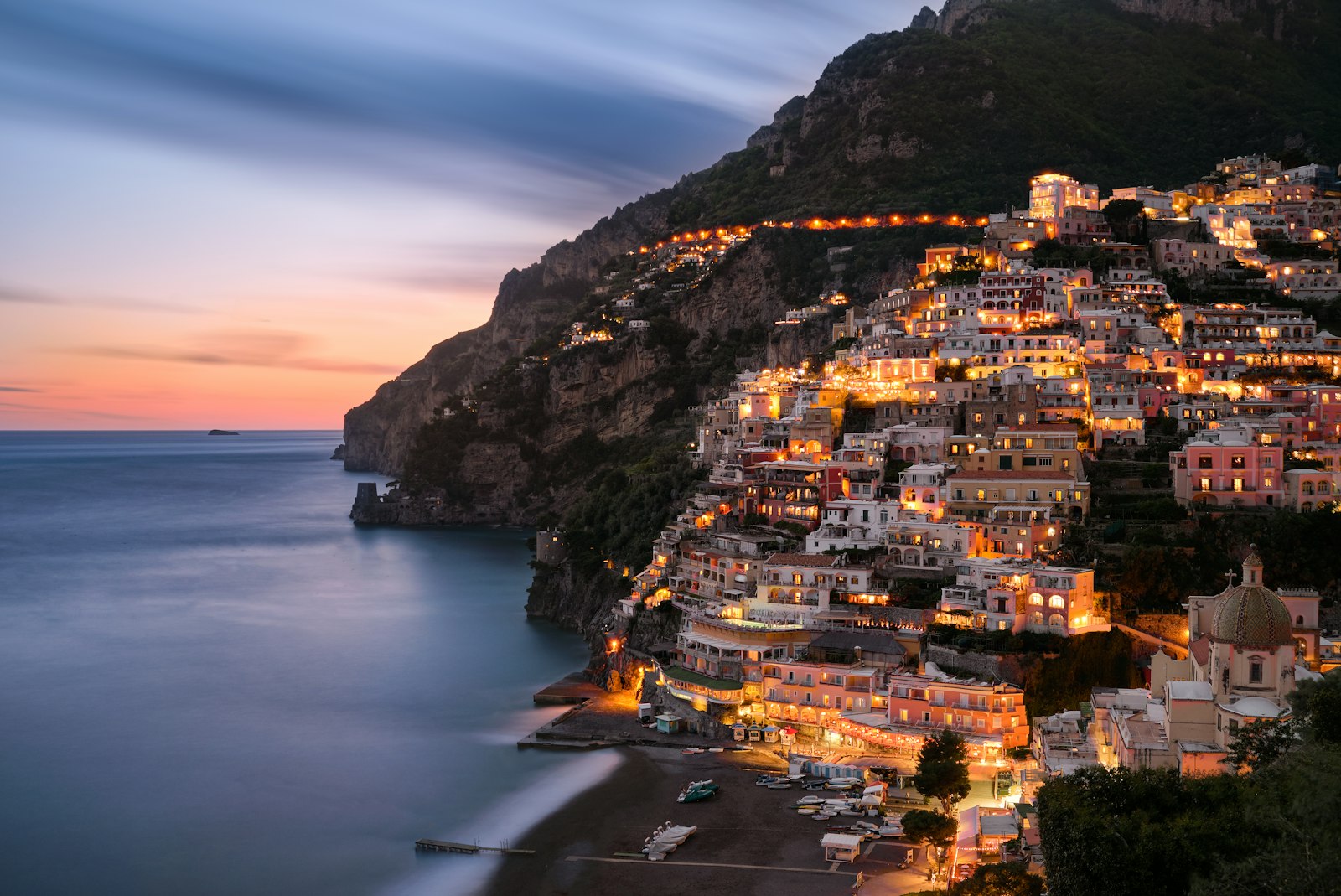
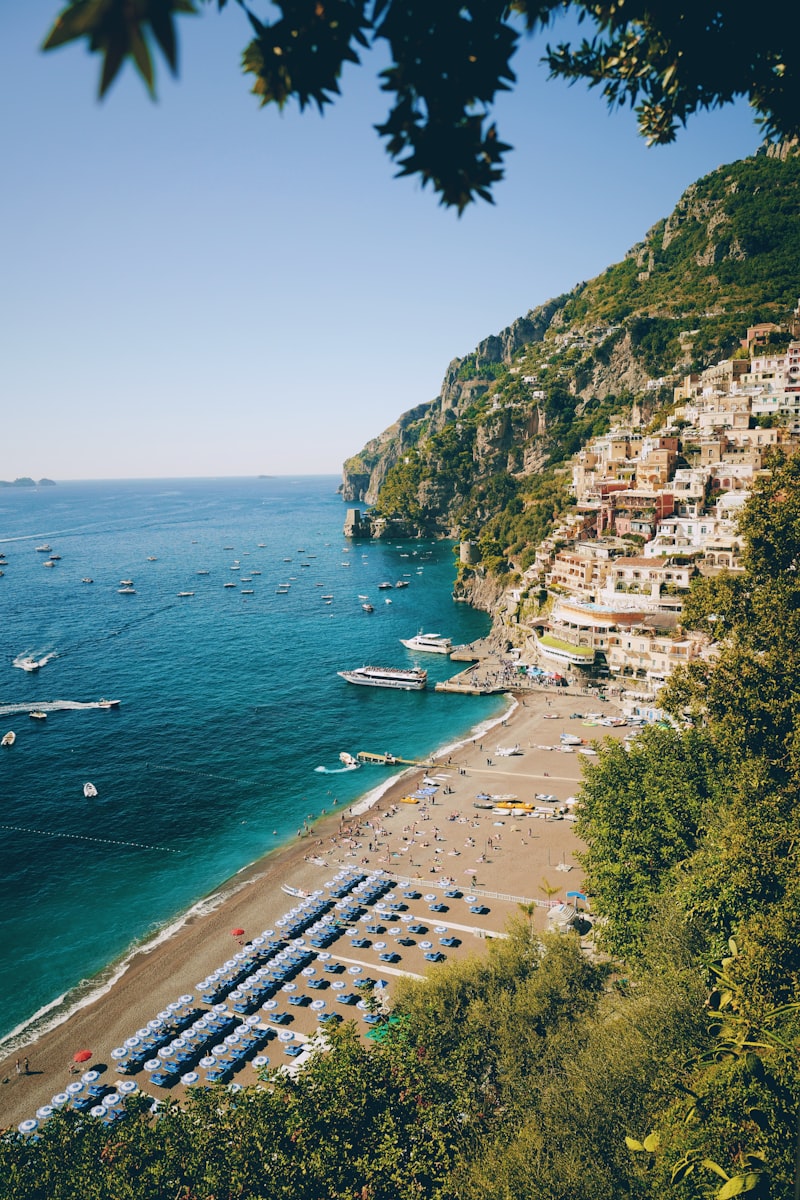
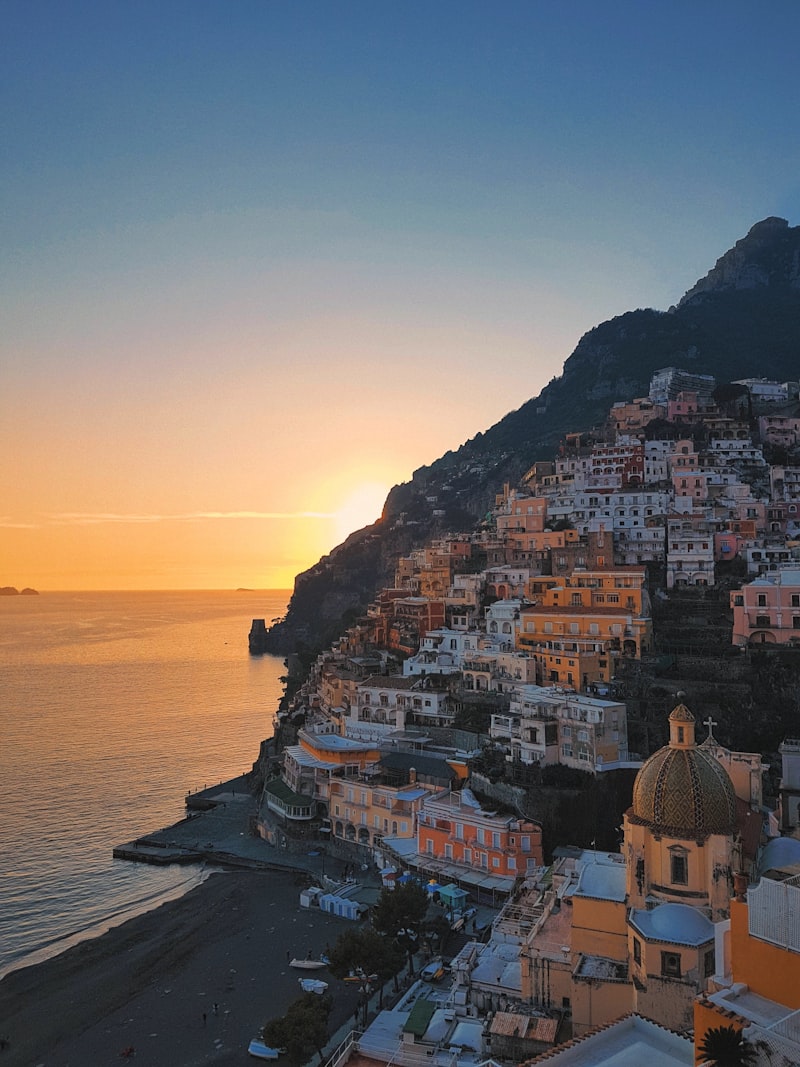
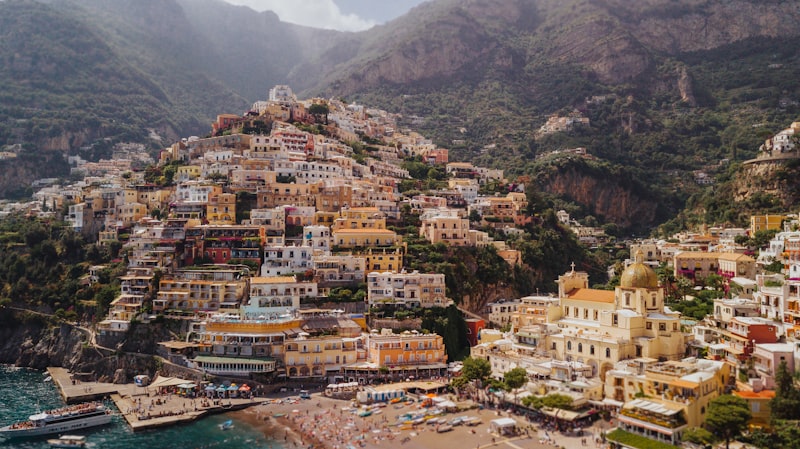
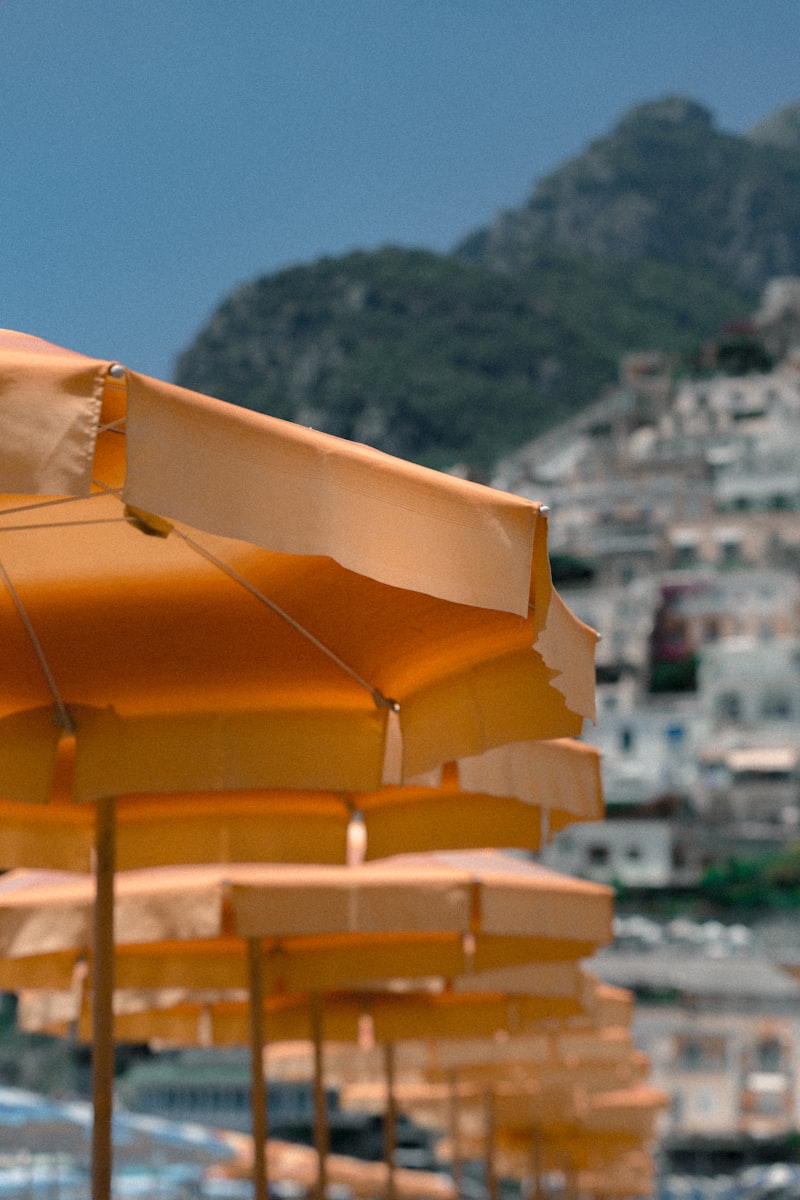
A vertical village in lemon and terracotta, spilling down the cliff to a grey-sand beach full of striped umbrellas. Steinbeck said Positano bites deep. He filed that report from sea level.
The Experience
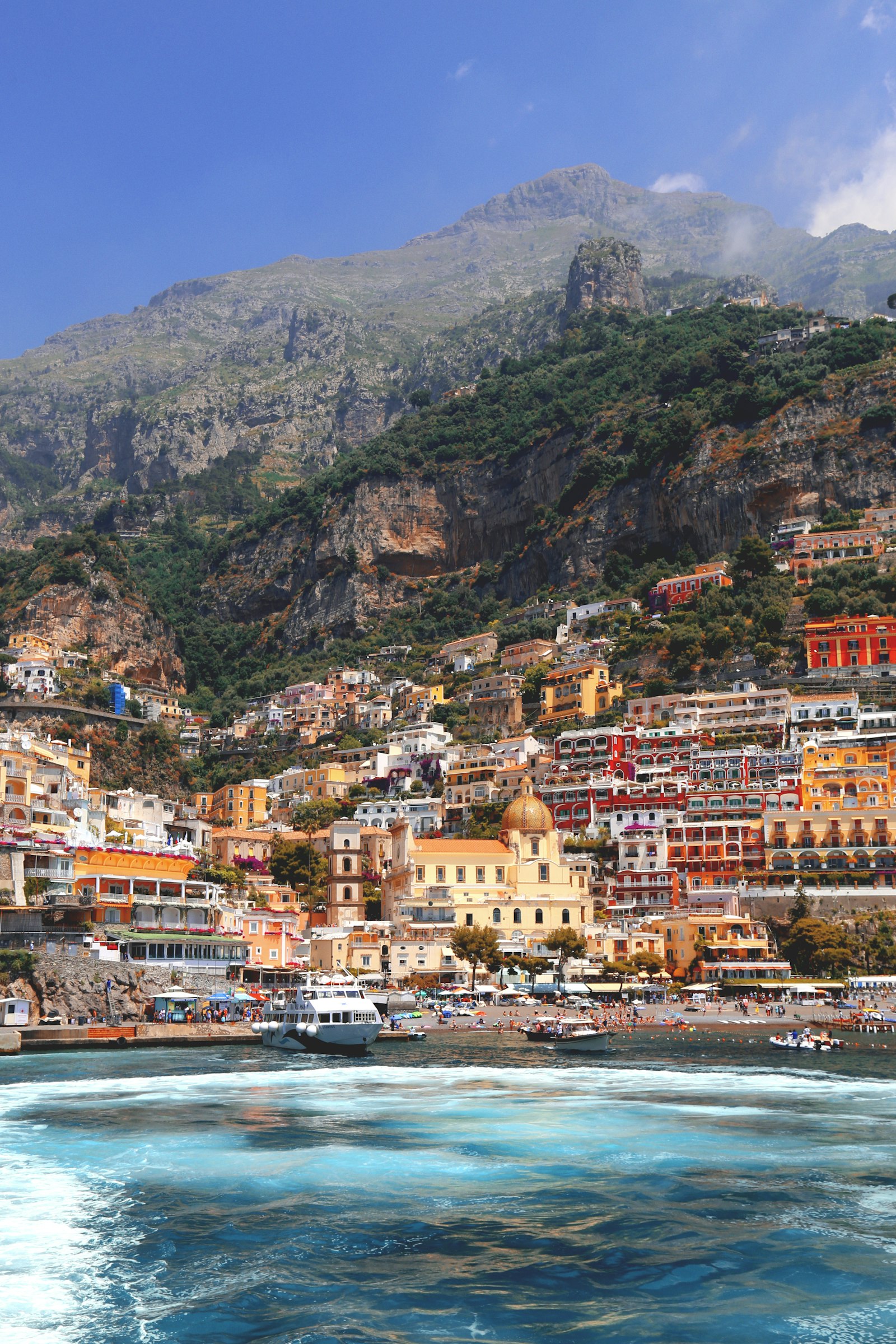
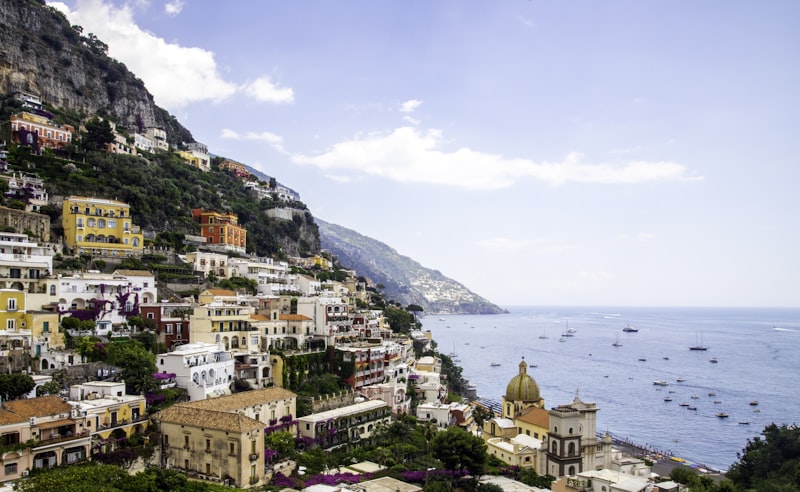
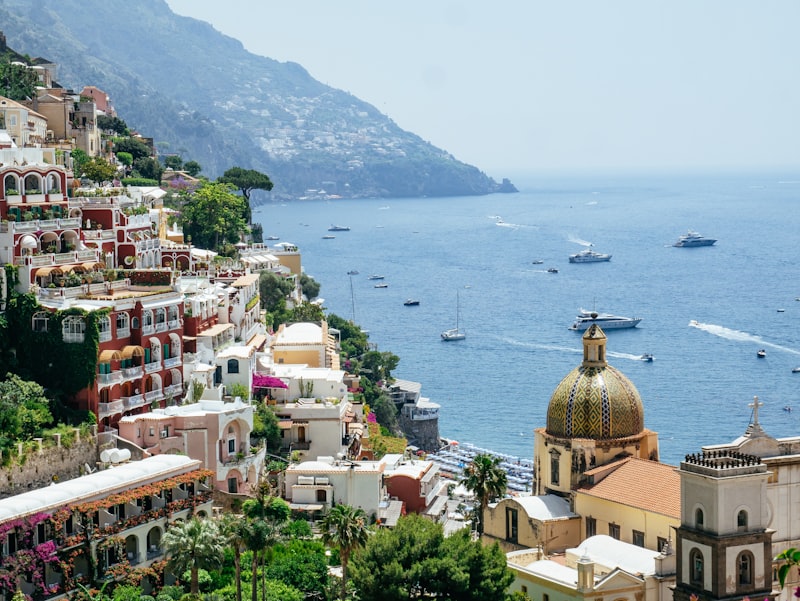
From the water, Positano arranges itself perfectly: the Duomo's majolica dome dead centre, bougainvillea burning on every balcony, the Lattari mountains standing chaperone. Cruise the coast to Li Galli — the sirens' islands, if Homer is to be believed — swim in coves only reachable by boat, and come back as the village lights come on like a chandelier being lowered down the cliff. Lemon granita helps. Spritz helps more.
From the Water
Destination · by The Queen’s Fleet
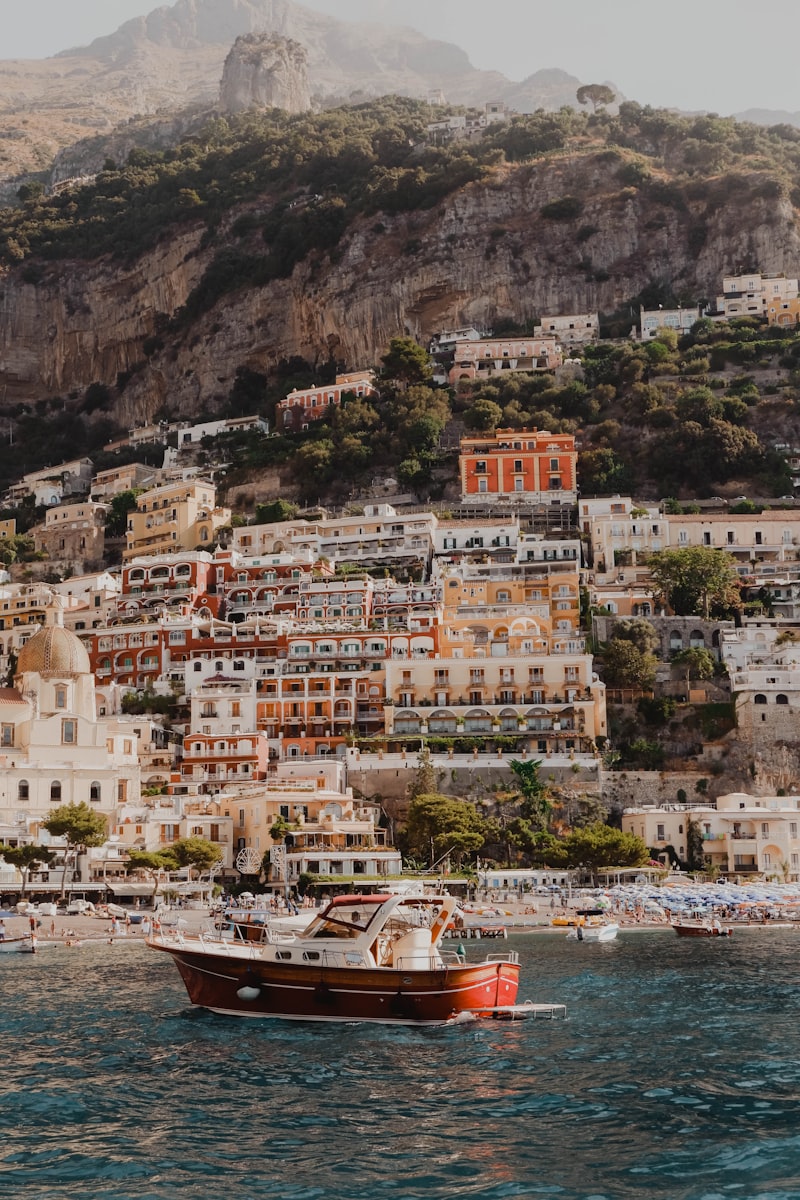
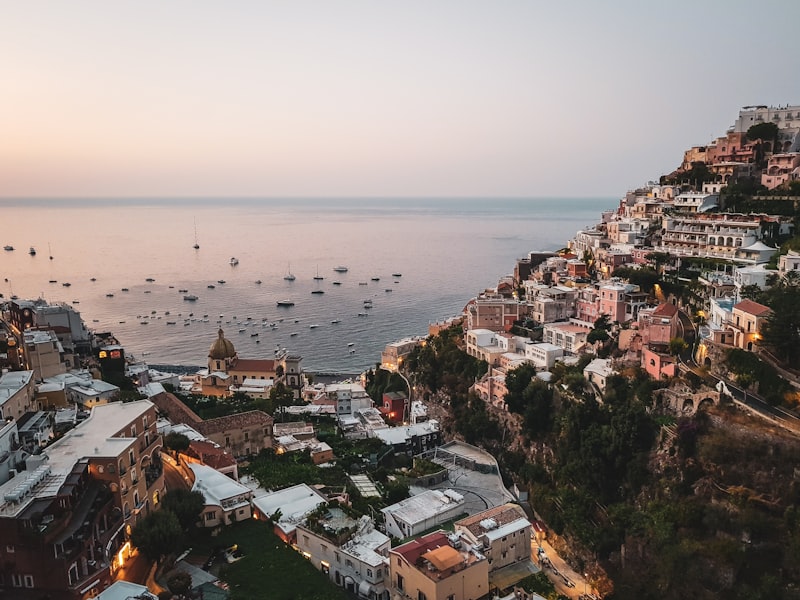
The Amalfi Coast is twenty-five kilometres of vertical Italy — towns built into cliffs that descend straight to the Tyrrhenian Sea, with no flat land between the heights and the waterline. Positano, Praiano, Amalfi, and Ravello above were not designed for the road that now runs the cliff face; they were designed for the sea. The SS163, carved through the limestone in the 1840s, is the modern accommodation. The original Positano was a port town with a boat-building tradition (the feluche) that persisted into the 19th century. Approaching it from the water today is the approach its founders intended — the Duomo's majolica dome centred in the cliff-face composition, the bougainvillea burning at every balcony, the Lattari mountains holding the whole arrangement upright.
The Amalfi Coast's best anchorages are exclusively accessible by water: Arienzo, Laurito, Lo Schiacciatello, Cala dei Briganti — small coves indenting the cliff base, each with a pebble beach and no road to it. A private crewed charter holds the entry ticket. The afternoon seabreezes from the southwest arrive predictably in summer, the water goes deep quickly off the cliffs, and anchoring in these coves before they catch the afternoon shade turns the Amalfi Coast into a destination the road-bound tourist cannot reach. This is not a minor distinction. It is the entire distinction.
Li Galli — three limestone outcrops a kilometre offshore between Positano and Capri — were the mythological home of Homer's sirens. Later, Rudolf Nureyev bought the largest islet and built a studio on it; after his death in 1993 they returned to private use. From the water, anchored between Li Galli and the Positano cliffs in late afternoon, the light on the majolica dome turns the tile through green to gold over twenty minutes. This is the visual that brought the painters here in the 19th century, that Steinbeck was describing at sea level, and that a private anchorage positions correctly. Capri is forty minutes further; its Faraglioni sea-arches are visible on the approach.
The Queen's Fleet standard — the JADA flagship in San Diego, expanding to the world's great sailing destinations — carries one principle into the Amalfi geography: private sailing, crew knowledge, no commercial overlay. San Diego and the Amalfi Coast do not share a latitude or a water temperature. They share a geometry: a dramatic harbour entrance, an inshore environment that rewards the unhurried charter over the day-boat crowd, and a principle of experience that the road cannot replicate. The water depth here is different. The operating philosophy is not.
The City
The majolica-tiled dome at the village's heart, glowing green and gold above the beach since the 13th century.
Three islets offshore where the sirens sang to Odysseus — later home to Nureyev, who understood the acoustics.
The clifftop trail high above the coast, with the entire Tyrrhenian arranged below like a table setting.
Private crewed charters from $1,000 per hour — yours alone, fully provisioned, and unhurried from the moment you step aboard. Founding-list guests sail first and sail finest.
Join the Founding List